i've written hooks for 8,000+ youtube scripts across 50+ niches.
the pattern showing up over and over is so consistent it's almost dull to write about.
the videos breaking out and the videos dying share the same editing, the same niches, and often the same topics. the only consistent variable between a 2K-view video and a 200K-view video is what happens in the first 8 seconds.
here are the 7 hook architectures i've used to generate 200M+ views for clients and channels across the faceless space. each one targets a different psychological trigger, and each one works for a specific type of content.
i'm giving you the framework, the psychology behind why each hook works, and real examples from channels pulling massive numbers with each one.
hook 1: the impossible result opener
psychology: cognitive dissonance. the viewer's existing belief system is unable to process the claim, so they stay to resolve the tension.
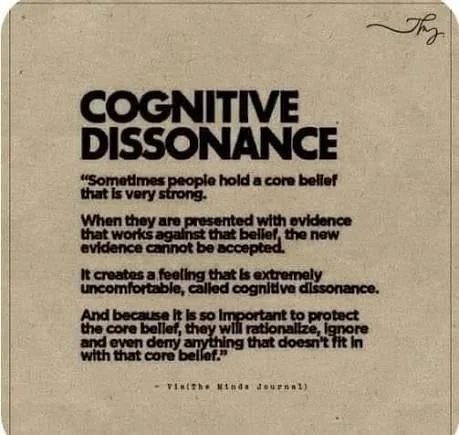
this is the hook you use when you have a result sounding too good. skip the explanation, skip the qualifier, state the result as fact and let the dissonance do the work.
the structure: [specific result sounding impossible] + [timeframe or constraint making it sound even more impossible]
a channel in our network opened a video with a revenue figure from a single upload. there was no context, no introduction, not even a "hey guys" to ease into the piece. the number hit the screen and the viewer had 2 choices: leave or stay to find out how.
81% of viewers were still watching at the 0:30 mark.
the reason this works is because the human brain is physically uncomfortable with unresolved contradictions. when someone sees a result they don't believe is possible, their brain needs to resolve whether the claim is true or false, and the only way to resolve the tension is to keep watching.
the part 9 out of 10 creators mess up is this: the result needs to be specific far more than impressive. "$14,400 from 225 views" is a better hook than "$50,000 from youtube." specificity signals authenticity, while round numbers signal fabrication.
when i wrote the script for a channel pulling $14.4K from 225 views, the hook rode on the contrast between the tiny view count and the massive result, well beyond the revenue figure itself. THAT'S what created the dissonance.
hook 2: the enemy declaration
psychology: tribal identity activation. naming an enemy creates an in-group, and the viewer self-selects into it within seconds.
this hook names a specific enemy: a person, a trend, a method, a belief, or a platform feature, and declares war on it.
the structure: [entity everyone recognises] + [what they're doing wrong or hiding] + [implied consequence for the viewer]
the best faceless channels in the true crime niche use this relentlessly. they skip "today we're going to talk about X" and open with a declaration positioning the subject as either a villain or a victim, forcing the viewer to pick a side.
the tribal activation happens almost instantly. once the viewer has picked a side, they're invested and need to see their side win.
the mistake 9 out of 10 creators make with enemy hooks is going too broad. "the youtube algorithm is broken" leaves tribal activation flat because the enemy is too abstract. "youtube is hiding THIS type of video from your feed" works because the enemy has a specific action the viewer be angry about.
channels using this hook architecture are consistently pulling 60%+ retention past the 2-minute mark. the tribal lock-in is so strong viewers will sit through entire 15-minute documentaries waiting for the resolution they emotionally committed to in the first 5 seconds.
hook 3: the "wrong about everything" reframe
psychology: identity threat. telling someone their core belief is wrong activates ego defense, which keeps them watching to either confirm or deny the claim.
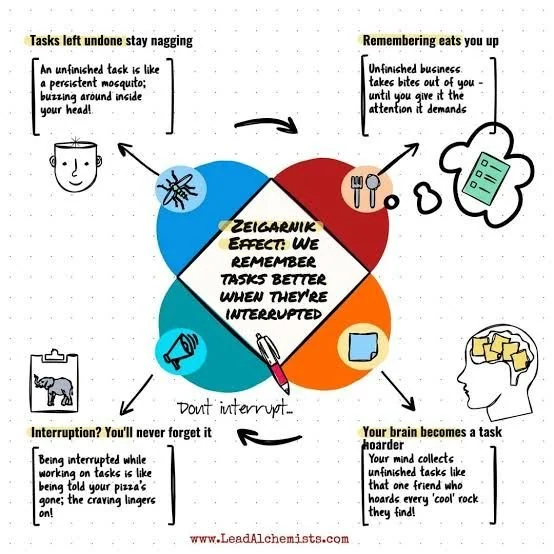
the enemy hook attacks an external target. the reframe hook attacks the viewer's own belief.
the structure: [something the viewer believes is true] + [direct statement saying it's wrong] + [1 line of evidence creating doubt]
i used this hook type for a channel covering business breakdowns. the video opened by naming the exact strategy the audience was using and calling it the reason they weren't growing. the line read "this is wrong. and here's the data," well past "you MIGHT be doing this wrong."
the retention on that video held above 55% through the 10-minute mark, in a niche where average retention sits around 35%.
the psychology works because nobody likes being told they're wrong, and the response is to keep watching to either prove the claim wrong (ego defence) or learn the correct approach (self-improvement drive). both responses keep the viewer on the video.
1 channel in our network used this on a faceless finance video. the hook challenged a commonly accepted passive income strategy, resulting in 863K+ views from a SINGLE script. the reframe did the heavy lifting.
the key: the claim has to be defensible. if you tell the viewer they're wrong and then leave the data missing, you lose them at the midpoint and your satisfaction scores tank. the hook writes a check the script has to cash.
hook 4: the countdown architecture
psychology: completionism bias. the human brain is wired to finish sequences once started, so a numbered list creates a subconscious contract the viewer will stay until the list is complete.
this hook works for listicle formats and "X things you didn't know" structures. the way 9 out of 10 creators use it is COMPLETELY wrong.
the standard approach: "here are 7 things about X," flat, with no tension and nothing to stay curious about.
the architecture generating views: [number] + [specific category] + [implied exclusivity or danger] + [open loop about the best or worst item]
when i write countdown hooks, the first item stays deliberately modest. the best item is teased in the hook and delivered in the final third of the video. this creates a psychological contract: the viewer knows the biggest payoff is coming, and they'll sit through the full runtime to reach it.
one of the biggest retention mistakes i see in faceless channels is front-loading the best content. they put their strongest point first because they think it'll "hook" the viewer, but the effect is the inverse: the strong opener resolves the tension immediately and hands the viewer an exit.
the hook opens the loop, the best item closes it, and everything in between escalates toward the closing.
i've used this architecture on channels covering everything from conspiracy theories to personal finance. the retention curves follow the same pattern every time: a slight dip after the hook (natural), a hold through the middle (escalation), and a SPIKE near the end (payoff anticipation).
the spike is the satisfaction signal youtube's 2026 algorithm is specifically looking for. viewers who reach the end and rate positively trigger the widest distribution.
hook 5: the "what happened next" cliffhanger
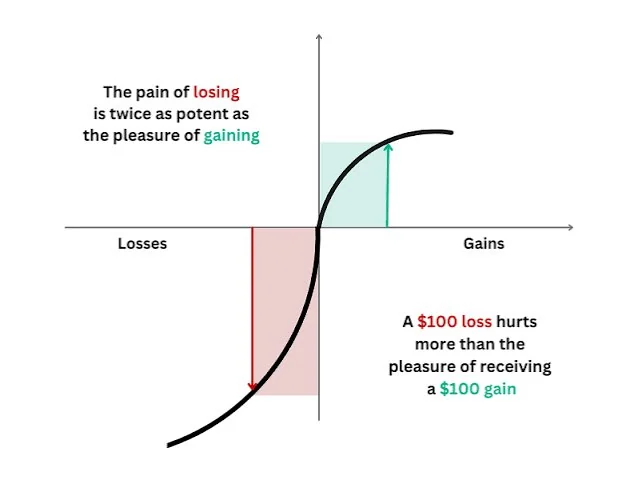
psychology: narrative investment. the human brain treats unfinished stories as open tasks. the zeigarnik effect means an unresolved narrative physically nags the viewer until it's resolved.
this is the strongest hook type for documentary-style faceless content, and the hardest to write well.
the structure: [moment of maximum tension in a story] + [freeze at the point of uncertainty] + [imply what follows is worse than what the viewer is imagining]
the biggest true crime and history channels on youtube use this architecture on every single video. they start at the crisis point rather than the beginning of the story. the viewer drops into the middle of the action, disoriented, needing context, and emotionally hooked before they understand what's happening.
a 1.9M+ view video in the true crime niche opened with a room full of government officials who had been summoned to a meeting with no explanation. intelligence agents surrounded the building. the tension was established in the first 10 seconds through atmosphere rather than exposition.
the viewer sat blind to what was coming, certain only about something bad on the horizon. the gap between knowing something bad is coming and not knowing WHAT is the strongest retention mechanism in long-form content.
i've applied this across dozens of niches outside true crime, including business documentaries, historical breakdowns, and educational content. the principle is universal: drop the viewer into the moment of highest tension and make them earn the context by watching.
hook 6: the authority stack
psychology: credibility cascade. a rapid sequence of proof points overwhelms the viewer's skepticism threshold before they have time to raise objections.
this hook is for when the creator (or the subject of the video) has real results to show. the key word is real, since fabricated authority stacks burn trust faster than anything else on the platform.
the structure: [specific result 1] + [specific result 2 which is bigger] + [specific result 3 making the first two look small] + [1 line tying all three to a single method or principle]
the escalation is everything. each proof point has to be bigger than the last. if the sequence plateaus, the viewer's brain registers the flat line as repetition and disengages.
when i write authority stacks for channels in our network, i follow a strict rule: the third proof point should make the viewer re-evaluate the first two. if you open with "$35K from an email sequence" and then say "$40K from a black friday campaign" and then say "$50K from a single webinar script," the viewer's brain is tracking an escalating pattern. each number reframes the previous one as smaller than it seemed.
the last line is the pivot. it connects the results to a single cause: a method, a framework, an approach, or a principle. and THAT'S the open loop carrying the viewer into the body of the video. they've seen the results, and now they need the explanation.
this hook type averages the highest completion rates in our data. viewers making it past an authority stack almost always finish the video, because the stack creates a sunk-cost perception. "i've already invested 15 seconds and seen the proof, so i might as well see the method."
hook 7: the prediction bomb
psychology: loss aversion. projecting a negative future for the viewer activates fear of loss, which is psychologically 2x stronger than the desire for gain.
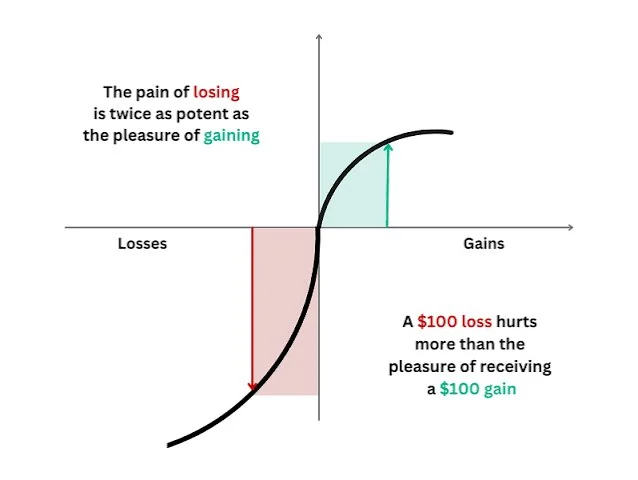
this hook works for TOF content where the viewer has no idea a problem exists yet. you're CREATING the awareness rather than solving the problem.
the structure: [specific near-future scenario] + [what the scenario means for the viewer's current approach] + [the cost of not adjusting]
"by Q4 2026, youtube's satisfaction algorithm will have fully replaced raw watch time as the distribution signal. channels still optimising for length over retention will stop getting impressions entirely."
that's a prediction bomb. the viewer reading it either already feels the effects (confirmation) or hasn't noticed yet (fear of missing the shift). both responses keep them engaged.
the best prediction bombs combine a timeframe with a specific mechanism. "in 6 months" reads as vague, while "by Q4 2026, when youtube's satisfaction scoring system finishes rolling out" is specific enough to feel researched and urgent enough to create action.
i've used this hook on channels where the goal was to shift beliefs before selling anything. the prediction bomb reframes the viewer's current situation as a ticking clock. they came to youtube to watch a video, and they leave thinking about their entire strategy.
this is the strongest hook by far for channels selling systems and structured offers. it only works when the prediction is grounded in real data, since speculative fear-mongering gets called out in the comments and kills trust.
if you want me to show you which of these 7 hooks fits your niche and how i'd implement them across your content strategy using 8,000+ scripts worth of hook data, DM me "SCRIPTS" and i'll walk you through the process.
how to pick the right hook for each video
this is where 9 out of 10 creators stall.
they learn one hook style, use it on every video, and think about why their retention curves all look identical.
the hook architecture has to match the content type and the viewer's awareness level.
- documentary content? hook 5 (cliffhanger) or hook 2 (enemy declaration). narrative-driven formats need emotional entry points far more than data.
- listicle / "X things" content? hook 4 (countdown). build the completionism contract in the first line.
- educational / how-to content? hook 3 (reframe) or hook 1 (impossible result). challenge what the viewer thinks they know, then teach them the correct version.
- opinion / reaction content? hook 2 (enemy declaration). pick a side in the first 3 seconds.
- case study / breakdown content? hook 6 (authority stack). prove the results first, explain the method second.
- trend / prediction content? hook 7 (prediction bomb). create urgency through loss aversion.
the mistake i see across the faceless space is creators using educational hooks on entertainment content and entertainment hooks on educational content. the psychological triggers clash, the viewer feels a disconnect in the first 5 seconds, and they leave.
the 8-second rule
across 8,000+ scripts and 200M+ views, one data point has remained constant through every algorithm change, every niche shift, and every platform update.
the viewer's stay-or-leave decision is made within 8 seconds.
the first 30 seconds matter for the algorithm's satisfaction scoring, while the VIEWER'S decision happens at the 8-second mark. if the hook has left the topic unconfirmed, the tension unbuilt, or every loop closed by second 8, the viewer is already reaching for the scroll.
youtube's own data backs this up. the first 30 seconds are a core ranking input in 2026, and retention graphs show the steepest drop consistently happening between second 5 and second 12. that's where the decision gets made.
every hook architecture i've shared in this article is designed to resolve within the window. the impossible result hits in 1 line, as does the enemy declaration, and the cliffhanger drops you into tension immediately.
the hook doesn't wait for a setup or an introduction, and there's no context before it, period.
the hook IS the first line. if your script starts with anything other than one of these architectures, you're giving the viewer 8 seconds of nothing and asking them to wait for the good part. they won't stay.
why i built a system around this
i extracted these patterns from writing 8,000+ scripts, analysing retention data across 50+ niches, and generating 200M+ views for clients across the youtube ecosystem.
every hook architecture in this article has been tested 100s of times. the weak ones got cut, and the ones surviving are the frameworks consistently pushing retention past the thresholds the 2026 algorithm rewards.
the reason i turned all of this into a system (22 skill files trained on 8,000+ scripts) is because i got tired of watching faceless creators hit the same wall over and over: great ideas, great editing, dead videos.
the fix has always been the script, and the script has always started with the hook.
the newsletter covers more of these breakdowns every week: fyreinteractive(.co/newsletter)
if you want me to audit your faceless youtube channel and show you how i'd implement these exact hook architectures using retention data from 8,000+ scripts across 50+ niches, DM me "SCRIPTS" and i'll show you how the system works
(200M+ views generated through AI scriptwriting skill files trained on 8,000+ scripts, 1-time payment)
haris
keep reading
Put this into every script you write
FacelessOS is 22 skill files built from 8,000+ scripts across 50+ niches. It works with any AI. 300+ creators are using it. $699 one-time for Files, $1,199 for FacelessOS+. No subscription.
Get FacelessOS