there is a version of your channel where the editing is identical, the niche is identical, the upload schedule is identical, and the videos do 5 to 10x the numbers.
the only thing separating you from that channel is the first 8 seconds of each script.
i've written hooks for 8,000+ scripts across 50+ niches and audited 200+ faceless channels in the last 12 months. the failure is almost never the idea or the editor. the failure sits in the first 3 lines of the script, and the creator has 0 idea because nobody ever told them these mistakes had names.
so let me name all of them.
the reason hooks decide everything on a faceless channel
a personal brand gets a grace period. the viewer recognises the face, remembers a video they liked last month, and hands over 30 to 60 seconds of goodwill before deciding.
faceless channels get nothing.
0 attachment, 0 recognition, and 0 reason to stay past second 5 unless the words force the issue.
and youtube's 2026 algorithm turned this into a hard ranking problem instead of a soft one. first-30-second retention is now a standalone input. the system measures how many viewers survive the opening before it decides whether your video deserves a wider audience at all.
85% retention at the 0:30 mark against 38%, with identical niche, editor, and thumbnail style. the 85% video got pushed to 5 to 10x the audience. the 38% video died under 2,000 views.
the gap is hookwriting, not content.
CATEGORY 1: THE FRAMEWORK MISTAKES
these are the mistakes that make every other fix irrelevant. get the framework wrong and a technically perfect hook still fails.
mistake 1: using educational hook psychology on faceless content
this is the single most expensive mistake in the faceless space and i'd estimate 95% of creators are making it.
educational content and faceless content run on completely separate psychological machinery.
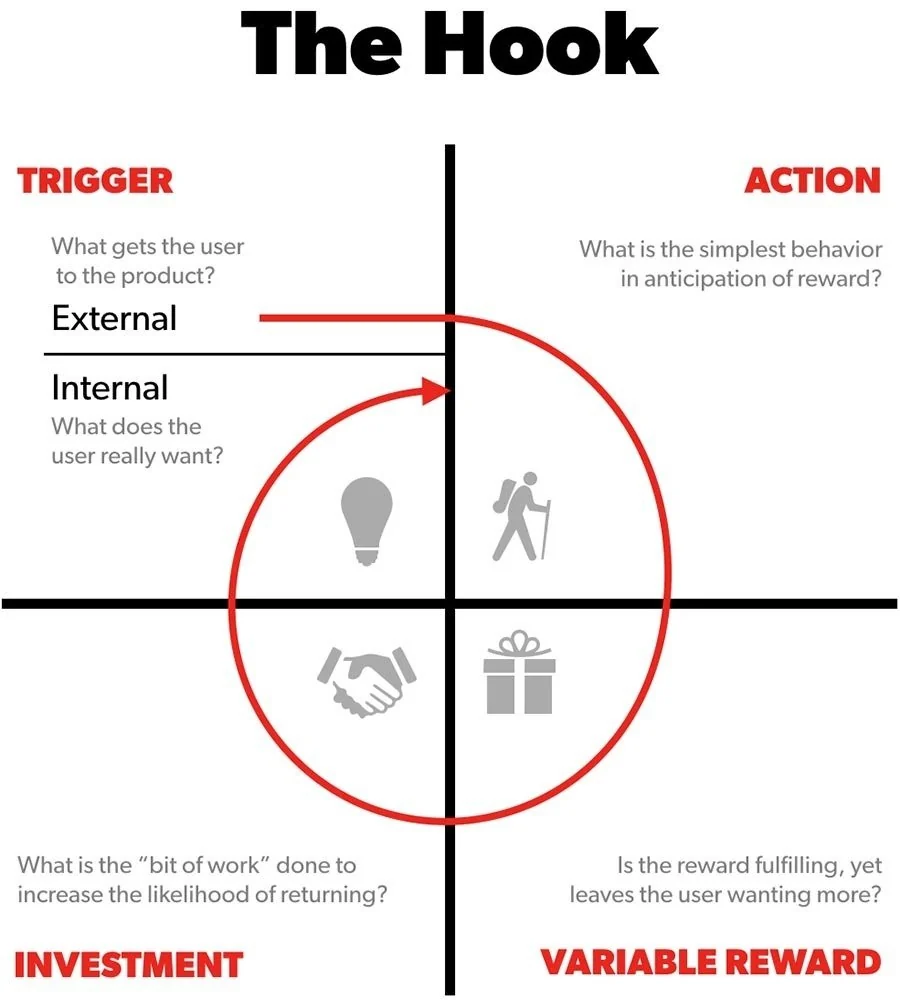
educational hooks use the target-transformation-stakes framework. who is this for, what will they get, why should they care. the viewer is promised a better version of themselves.
faceless hooks use the character-concept-stakes framework. who is the story about, what is the situation, why does the situation matter. the viewer is promised an engaging experience about someone else.
here's an educational hook:
"if you're at 100 subscribers and can't figure out why nobody cares about your videos, i'm going to show you the exact 3-step system that took my client from 0 to 100K in 6 months."
here's a faceless hook:
"sarah thought she was texting her boyfriend at 2:51 a.m. the person on the other end had been dead for 3 days."
completely different machinery. one promises transformation. the other promises a story.
when a faceless channel opens with "if you want to understand criminal psychology, i'm going to teach you..." the viewer's brain files it as a sales pitch. they came for entertainment, got a lecture, and leave in under 4 seconds.
and the reverse breaks as badly. a personal brand opening with "this entrepreneur uncovered a secret that changed everything" reads as clickbait to an audience who needed to TRUST the creator before learning from them.
wrong framework, confused audience, dead retention. regardless of how good the writing is.
mistake 2: matching the hook type to your taste instead of your format
even inside the correct framework, there are 4 hook types and they are not interchangeable.
in media res drops the viewer into the middle of the action. "at 3:15 a.m., mark zuckerberg sent an email which would destroy his best friend forever." the curiosity forms around how we arrived at this moment.
contradiction presents something impossible. "this 19-year-old college dropout makes $50,000 a month by failing tests on purpose." cognitive dissonance forces the viewer to resolve it.
impossible result states an outcome too clean to sound real. "$14,400 from 225 views."
prediction bomb projects a negative future the viewer hasn't considered yet. loss aversion runs 2x stronger than the desire for gain.
using a contradiction hook on educational content makes you sound clickbaity and untrustworthy. using a problem-agitation hook on faceless content makes you sound like you're selling something to people who showed up to be entertained.
the type has to match the format, and the format has to match the framework.
if you want me to look at your channel and tell you which framework and hook type your niche needs, DM me "HOOKS" and i'll walk you through it.
CATEGORY 2: THE OPENING MISTAKES
these happen in the first 15 words. they're the easiest to fix and the most common.
mistake 3: the delay disease
every creator opening with "hey guys, welcome back to the channel" or "before we get started" is bleeding viewers before the content exists.
by second 15, 40% of the audience is gone.
the viewer clicked because the thumbnail and title made a promise. the hook's only job is confirming that promise IMMEDIATELY. within 8 seconds. no preamble, no housekeeping, no subscribe reminder.
the psychology is embarrassingly simple. viewers make the stay-or-leave call on 1 question:
"does this person know what i came here for?"
delay the answer and doubt enters. doubt triggers the scroll.
i tested this across 20+ channels. scripts that set up context before confirming the topic averaged 42% retention in the first minute. scripts that confirmed the topic inside 8 seconds averaged 78%.
identical channels and identical audiences. the variable was WHEN the viewer found out what they were watching.
mistake 4: credential dumping
"as someone with 15 years of experience in the content marketing space..."
nobody cares. not 1 person.
credentials before value is the fastest way to signal that you have nothing worth saying yet. lead with the value, and if you must flex, flex AFTER the viewer has already received something.
authority is a retention tool, not an opening move.
mistake 5: jargon overload
"we'll leverage synergistic methodologies to optimise conversion architecture."
you sound like a chatbot with a linkedin account.
faceless audiences are watching entertainment. educational audiences are watching to learn. neither group signed up to decode corporate vocabulary. write the way a person talks.
mistake 6: weak stakes
"this might be helpful for some of you."
compare that to: "without this, you'll spend another 12 months uploading into a void."
hedging language kills hooks. "might," "could potentially," "in many cases," "for some people." every hedge is you telling the viewer that even YOU aren't convinced this matters.
weak stakes produce weak hooks. state the consequence like it's a fact, because if you've done the work, it is.
CATEGORY 3: THE STRUCTURAL MISTAKES
these are the ones that survive a good opening and kill you 40 seconds later.
mistake 7: the context dump
your hook lands, the instinct fires, and you explain everything.
the background, the history, the definitions, the "before we get into it, you need to understand..."
i watch this wreck scripts CONSTANTLY. strong opening line, then 90 seconds of setup before anything gets demonstrated.
the ratio that holds across every niche i've written in: 30 seconds of context, 60 seconds of action or concrete example. context, action, context, action.
the moment you stack context without demonstration, retention drops. every single time.
think about teaching someone a board game. you don't read them the entire rulebook before they touch a piece. you teach the basics, let them play, then explain the nuances as they surface.
if you're teaching a framework, skip the 90-second explanation of what each component means. show 20 seconds of the framework working. point at the specific line and say "see how this creates the pull here." THEN explain why the component exists.
the brain absorbs through demonstration. abstract rules delivered lecture-style get filed as noise.
mistake 8: spoiling the payoff inside the hook
this sounds like it contradicts mistake 3. it doesn't.
confirming the topic means the viewer knows WHAT the video is about. "this video is about the 1959 hiking incident."
spoiling the payoff means you answered the question they came to resolve. "the hikers died of hypothermia after an avalanche collapsed their tent."
the hook confirms the topic and OPENS the gap. the hook must never close it.
side by side on the same subject:
"the titanic wasn't sunk by an iceberg."
confirms the topic, opens the loop. what sank it, then?
"the titanic sank because the captain ignored 7 ice warnings and cut the northern route to save fuel."
confirms the topic AND closes the loop in the same breath. the viewer has their answer. there is no reason left to give you 12 minutes.
value stacking means showing the OUTCOME while withholding the PROCESS. "this single email cost the company $4.6 billion" gives the viewer stakes without giving them resolution.
mistake 9: planting the open loop too late
every hook i write follows a hard rule. the curiosity gap has to exist inside the first 3 lines.
- line 1 is the entry point. character, setting, or result.
- line 2 adds tension. something is wrong, something doesn't reconcile.
- line 3 opens the loop. implies what's coming is bigger than what was shown.
a viewer who reads all 3 is psychologically committed. the zeigarnik effect takes over from there, because unfinished stories register in the brain as open tasks, and open tasks nag until they close.
if your loop is sitting at line 6, 60% of the audience left before their brain had the chance to get hooked.
mistake 10: no specificity
"a person." "late at night." "a lot of money." "thousands of people."
all dead on arrival.
"sarah, a 24-year-old nurse from portland." "at exactly 2:51 a.m." "$6,137.98." "the 68 names on the list."
specificity bias is one of the strongest trust mechanisms in scriptwriting. precise numbers and named details signal that a HUMAN chose them from real research. round numbers and vague quantities signal that someone made it up on the way to the studio.
this matters more every month, because youtube's classifier reads your transcript and generality is one of the patterns it associates with generated content.
CATEGORY 4: THE PATTERN MISTAKES
these only show up once you're consistent enough to have returning viewers.
mistake 11: running the same hook type into the ground
9 out of 10 faceless channels i audit use an identical hook shape on every upload. the creator found something that worked once and never rotated off it.
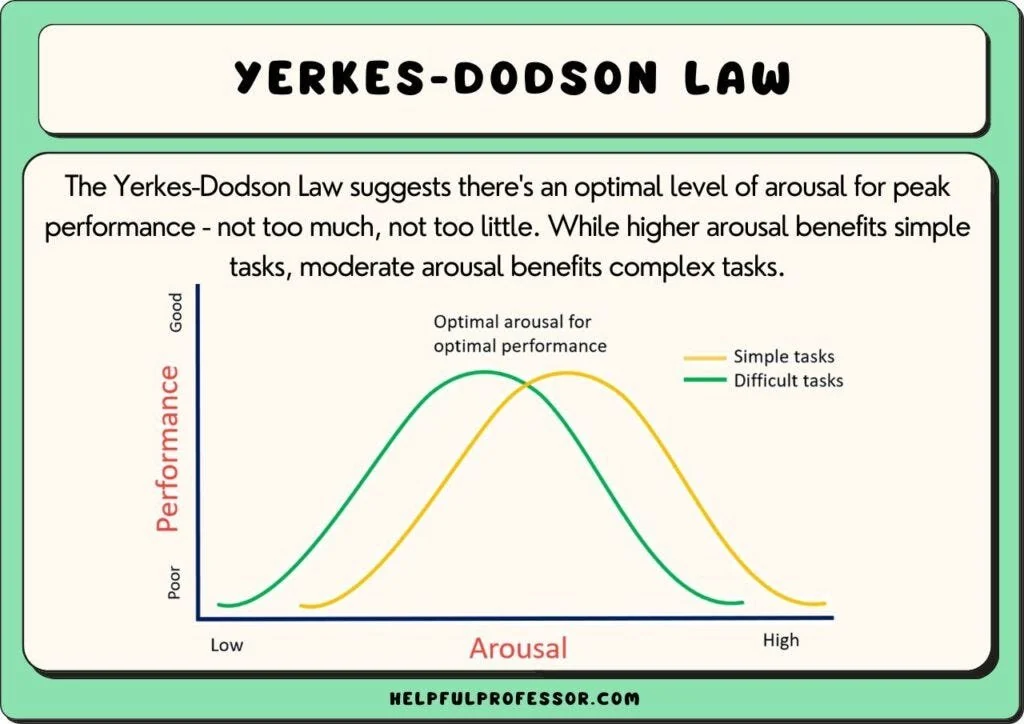
the returning viewer recognises the shape. their brain stops flagging the opening as novel. the pattern interrupt loses its function because THE PATTERN became the pattern.
rotate across all 4 hook types. in media res this week, contradiction next, impossible result after that, prediction bomb to close the month. the audience never desensitises because the opening never repeats.
mistake 12: stacking every psychological trigger at once
authority, plus specificity, plus loss aversion, plus curiosity gap, plus forbidden knowledge, plus dramatic stakes, all inside 40 words.
the hook reads as desperate. the viewer feels the effort and the effort breaks the spell.
for educational content, combine authority with specificity and loss aversion. for faceless content, combine the curiosity gap with specificity and dramatic stakes. 3 triggers, deliberately chosen. no more.
mistake 13: reaching for the metaphor hook
"building a youtube channel is like building a house. everyone skips the foundation and acts surprised when it collapses."
metaphor hooks work. they also come off corny, cheesy, and 6 years old about 70% of the time. i avoid them in almost every script i write.
if you use one, it has to be so specific and so unexpected that it earns its place. otherwise you've spent your best 8 seconds on a simile.
what happens when a channel fixes all of it
a channel in the facelessOS community was sitting at 2,000 views per video. clean editing, reasonable niche, consistent uploads. everything looked fine except the numbers.
we rewrote the hooks, matching the framework to faceless instead of educational. the context dumps went, the loops moved before the fold, and the hook types started rotating across uploads.
first video with the rewritten hooks: 100,000+ views.
content quality and editor both stayed put. the hook was the variable.
more results from creators inside the community running the same fixes: 863,000 views from a single script on 1 channel, $50,000+ in 2 months on a channel started from scratch, and monetisation reached on a 3rd channel from 1 video hitting 490,000 views in 3.5 hours.
none of these came from a better thumbnail or a secret niche. they came from hooks that held viewers past the 30-second mark, which produced the satisfaction signals the 2026 algorithm is built to reward.
the objection i hear every week
"my niche is different. my audience wants context first."
they don't. every creator believes their audience is the exception, and the retention graphs across 50+ niches say otherwise. the pacing changes by niche. the requirement that the first 8 seconds confirm the topic and open a loop does not change anywhere.
the second objection
"i'll fix the hooks once i'm getting more traffic."
backwards. the hook is what GENERATES the traffic. the algorithm samples your video on a small audience first, measures whether they survived the opening, and decides your ceiling from there. a weak hook caps your distribution before the rest of the video is ever evaluated.
fix the first 8 seconds and the rest of the funnel opens on its own.
i break down more of these diagnostics every week in the newsletter: fyreinteractive(.co/newsletter)
the hook is the door. everything else in your video is furniture nobody will ever see if the door stays shut.
if you want me to audit your faceless youtube channel and show you how i'd rebuild your hooks using the first 8 seconds formula and retention data from 8,000+ scripts across 50+ niches, DM me "HOOKS" and i'll show you how FacelessOS applies this to your channel automatically
(200M+ views generated through AI scriptwriting skill files trained on 8,000+ scripts across 50+ niches, one-time payment)
haris
keep reading
Put this into every script you write
FacelessOS is 22 skill files built from 8,000+ scripts across 50+ niches. It works with any AI. 300+ creators are using it. $699 one-time for Files, $1,199 for FacelessOS+. No subscription.
Get FacelessOS